
Tesco Steel & Engineering manufactures ASTM A350 LF3 Class 2 LTCS flanges — the 3.5% nickel low-temperature carbon steel forging grade in the Class 2 heat-treatment condition. It shares LF3's 3.5% nickel chemistry and mandatory Charpy V-notch impact test at -150°F (-101°C), supplied to the heat-treatment and supplementary requirements specified for Class 2. It is the choice for deep low-temperature and cryogenic-adjacent piping where the project or piping class calls out Class 2. Available in weld neck, slip-on, blind, socket-weld, threaded, lap-joint, spectacle and orifice types to ASTM A350 / ASME B16.5. Class 150 to 2500, NPS 1/2″ to 24″, PN6 to PN400. ISO 9001:2015 certified. Made in India.
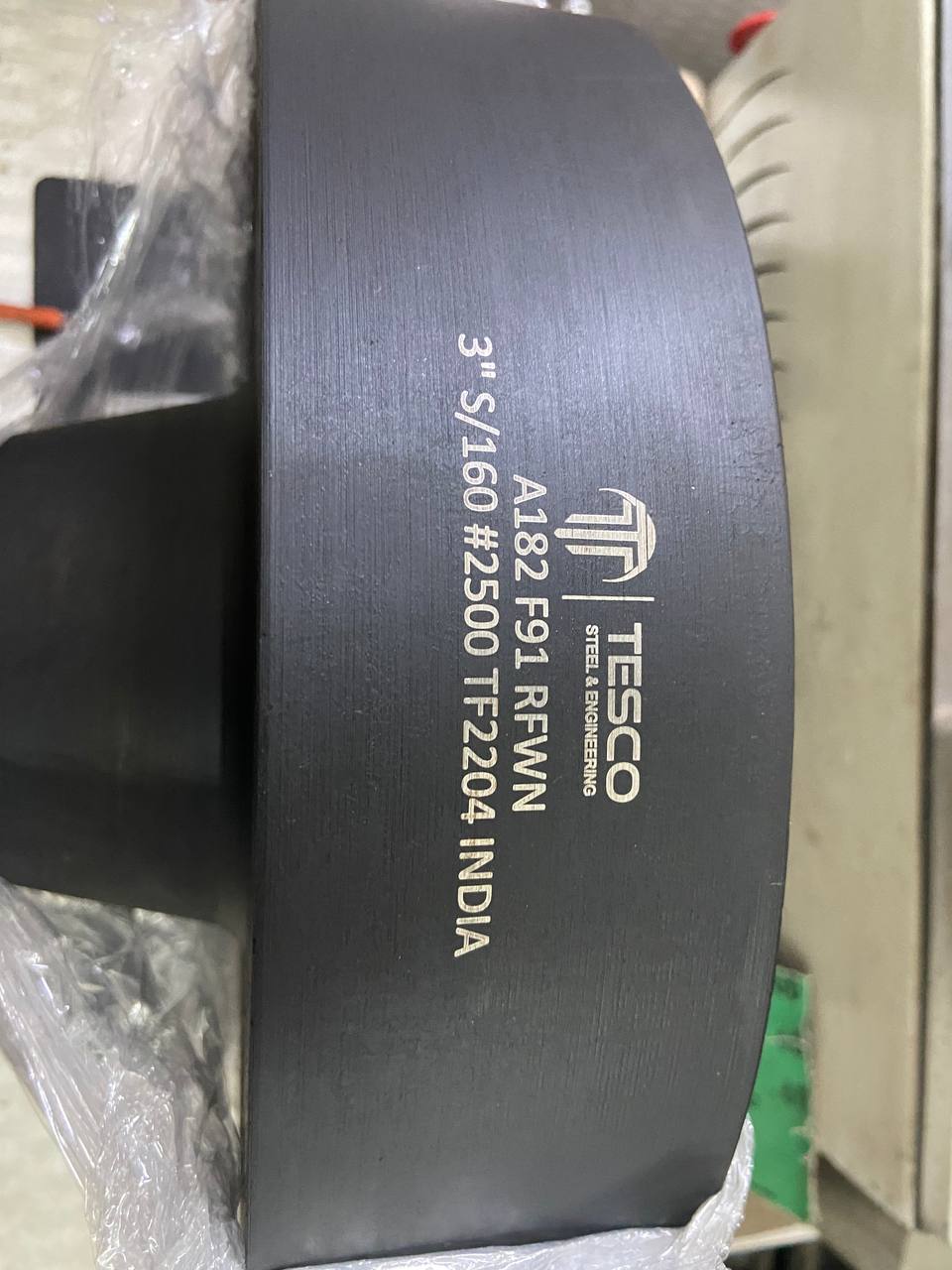
ASTM A350 LF3 Class 2 LTCS Flanges
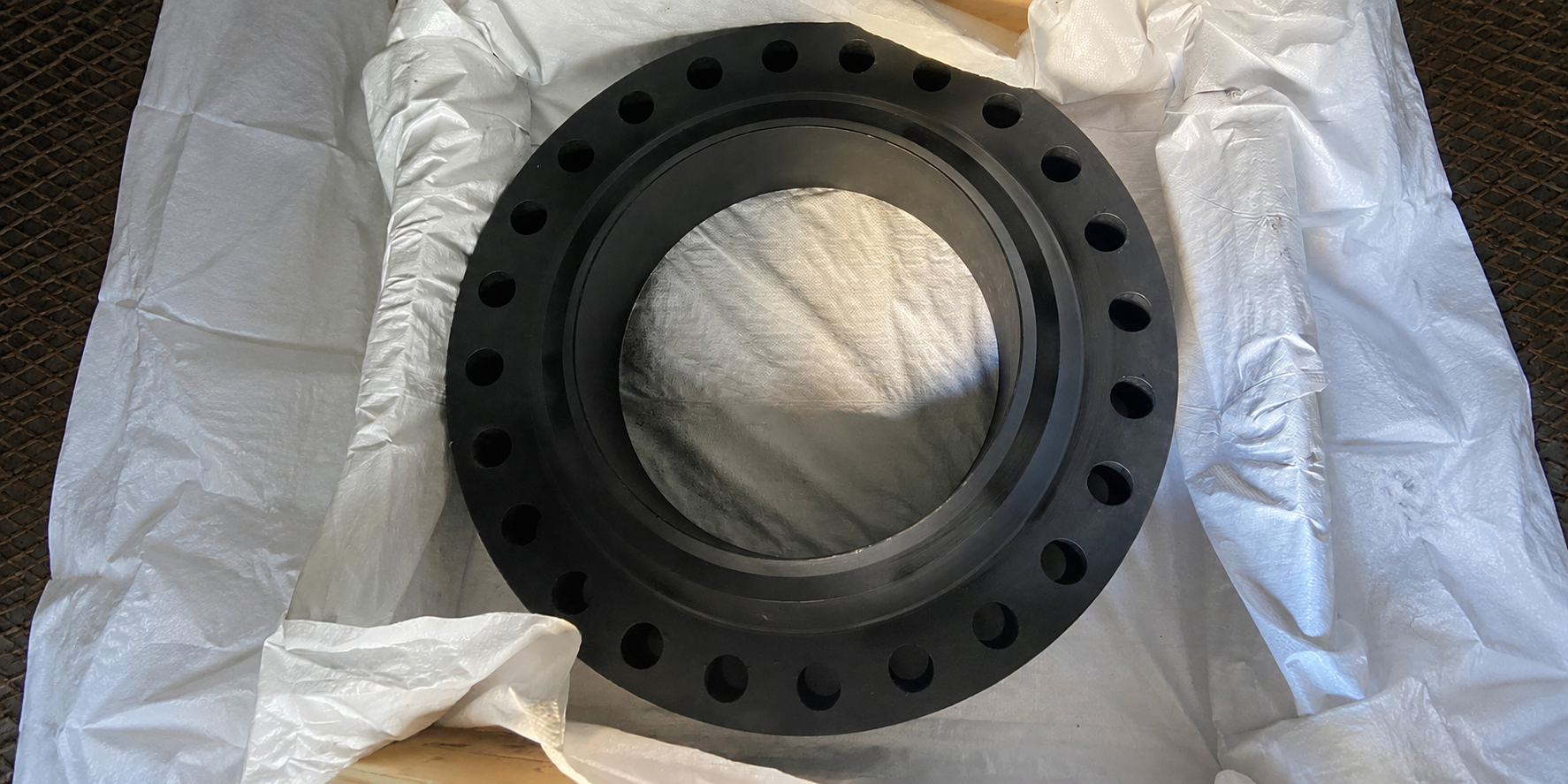
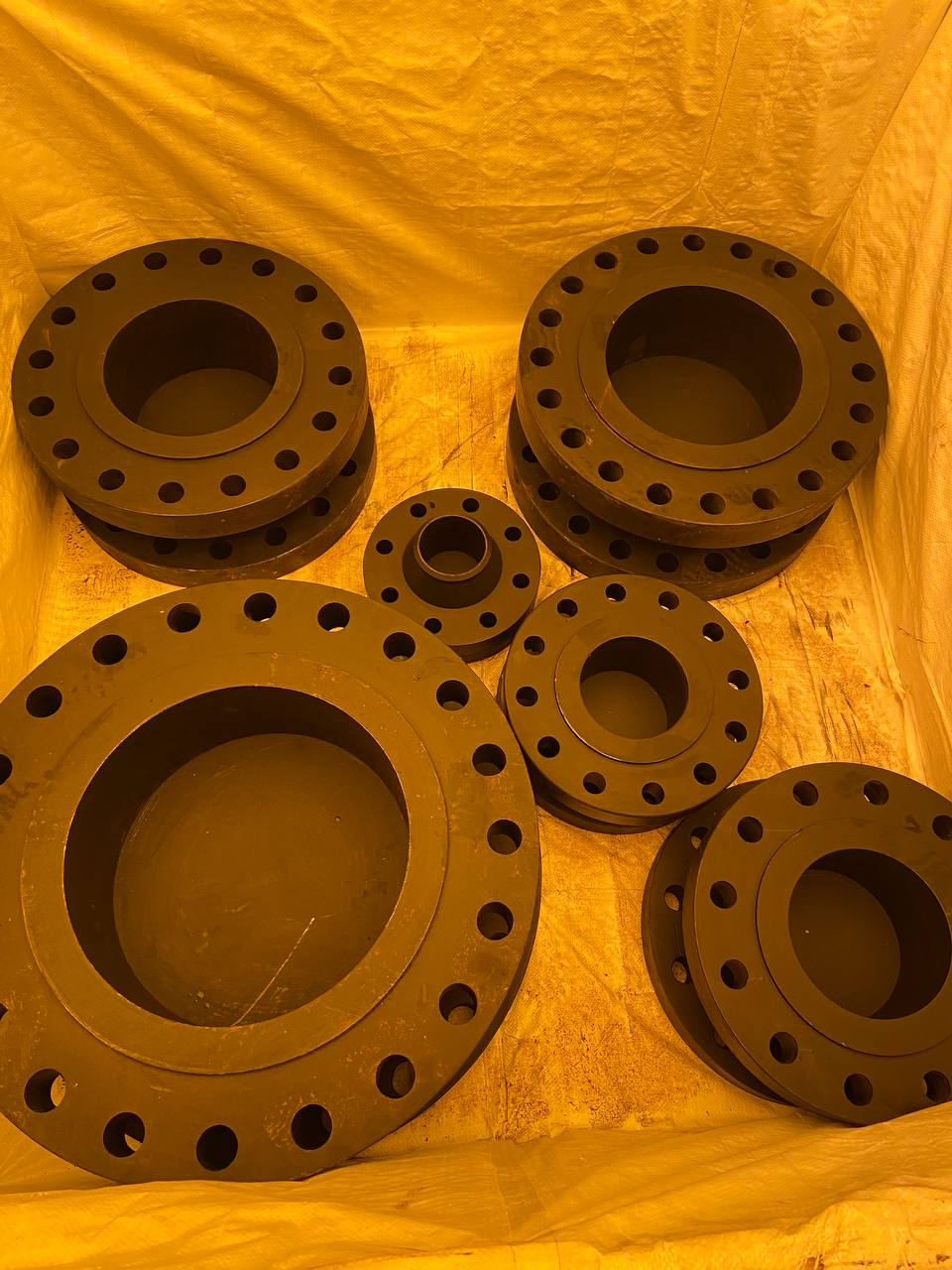
A350 LF3 Class 2 Weld Neck & RTJ Flanges
Tesco Steel & Engineering manufactures A350 LF3 Class 2 flanges in all types from weld neck to orifice, Class 150 to 2500 — supplied with EN 10204 3.1 / 3.2 certification, the impact-test record, the heat-treatment condition, and third-party inspection on request. Explore the wider LTCS flange range, the standard A350 LF3 Class 1 flanges, the plain-carbon A350 LF2 flanges and A350 LF1 flanges, and the flange dimension charts.
| ASTM A350 LF3 Class 2 flanges are available in the following specifications: | |
|---|---|
| Material Grade | ASTM A350 / A350M Grade LF3, Class 2 (3.5% nickel low-temperature carbon steel) |
| Alloy Type | 3.5% nickel low-temperature carbon steel (LTCS) |
| Impact Test | Charpy V-notch at -150°F (-101°C) |
| Heat Condition | Class 2 heat-treatment condition / supplementary requirements |
| Size | 1/2″ NB to 24″ NB (DN 15 to DN 600); larger to ASME B16.47 |
| Class / Rating | 150#, 300#, 600#, 900#, 1500#, 2500# · 3000#, 6000#, 9000# (socket-weld / threaded) |
| Pressure Ratings | PN 6 – PN 400 (PN6, 10, 16, 25, 40, 64, 100, 160, 250, 320, 400) |
| Dimensional Standards | ASME B16.5, ASME B16.47 (Series A & B), MSS SP-44, DIN EN 1092-1 |
| Flange Types | Weld Neck (WNRF), Slip-On (SORF), Blind, Socket Weld (SWRF), Lap Joint, Threaded / Screwed, Spectacle Blind, Long Weld Neck, Orifice, Plate |
| Flange Faces | Raised Face (RF), Flat Face (FF), Ring Type Joint (RTJ), Tongue & Groove (T&G) |
| Testing | Charpy impact, hydrostatic, UT, MT/PT per spec; EN 10204 3.1 / 3.2 |
A350 LF3 is a 3.5% nickel low-temperature carbon steel; the chemistry is identical for Class 1 and Class 2. The nickel lowers the ductile-to-brittle transition so the steel keeps toughness to -101°C, verified by the mandatory Charpy impact test, while Class 2 sets the heat-treatment condition.
| Element | ASTM A350 LF3 (both classes) |
|---|---|
| Carbon (C) | 0.20% max |
| Manganese (Mn) | 0.90% max |
| Silicon (Si) | 0.20 – 0.35% |
| Nickel (Ni) | 3.30 – 3.70% (low-temperature toughness) |
| Phosphorus (P) | 0.035% max |
| Sulphur (S) | 0.040% max |
| Cr / Mo / Cu / V | Residual, limited per A350 |
| Mechanical Property | ASTM A350 LF3 Class 2 |
|---|---|
| Tensile Strength | 70 – 95 ksi (485 – 655 MPa) |
| Yield Strength (min) | 37.5 ksi (260 MPa) |
| Elongation | ~22 – 24% |
| Impact Toughness | Charpy V-notch verified at -150°F (-101°C) |
| Min. Design Temperature | ~ -101°C (-150°F) |
| Condition | Class 2 heat-treatment condition |
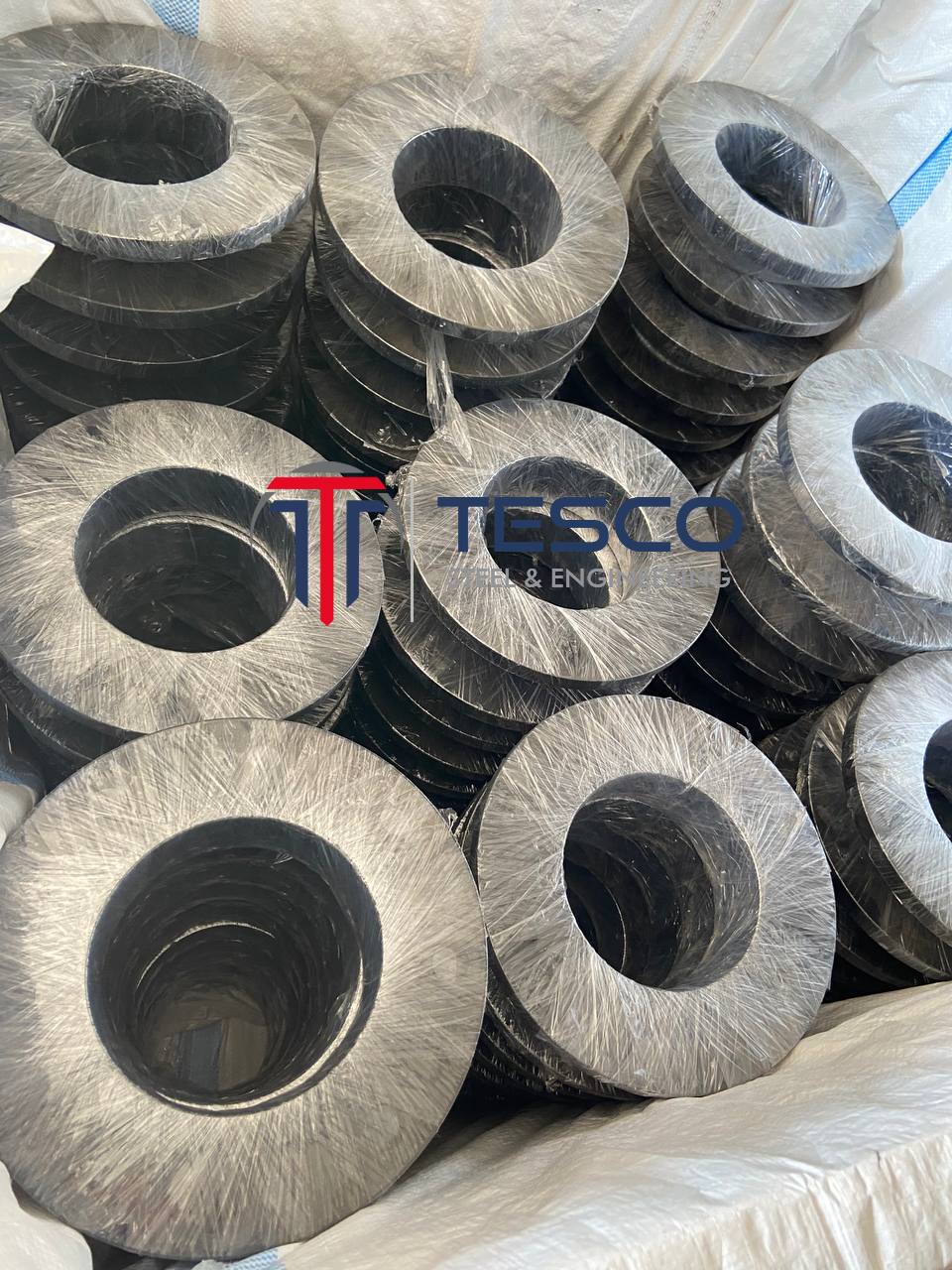
LF3 Cl 2 Weld Neck Flange (WNRF)
LF3 Cl 2 Slip-On Flange (SORF)
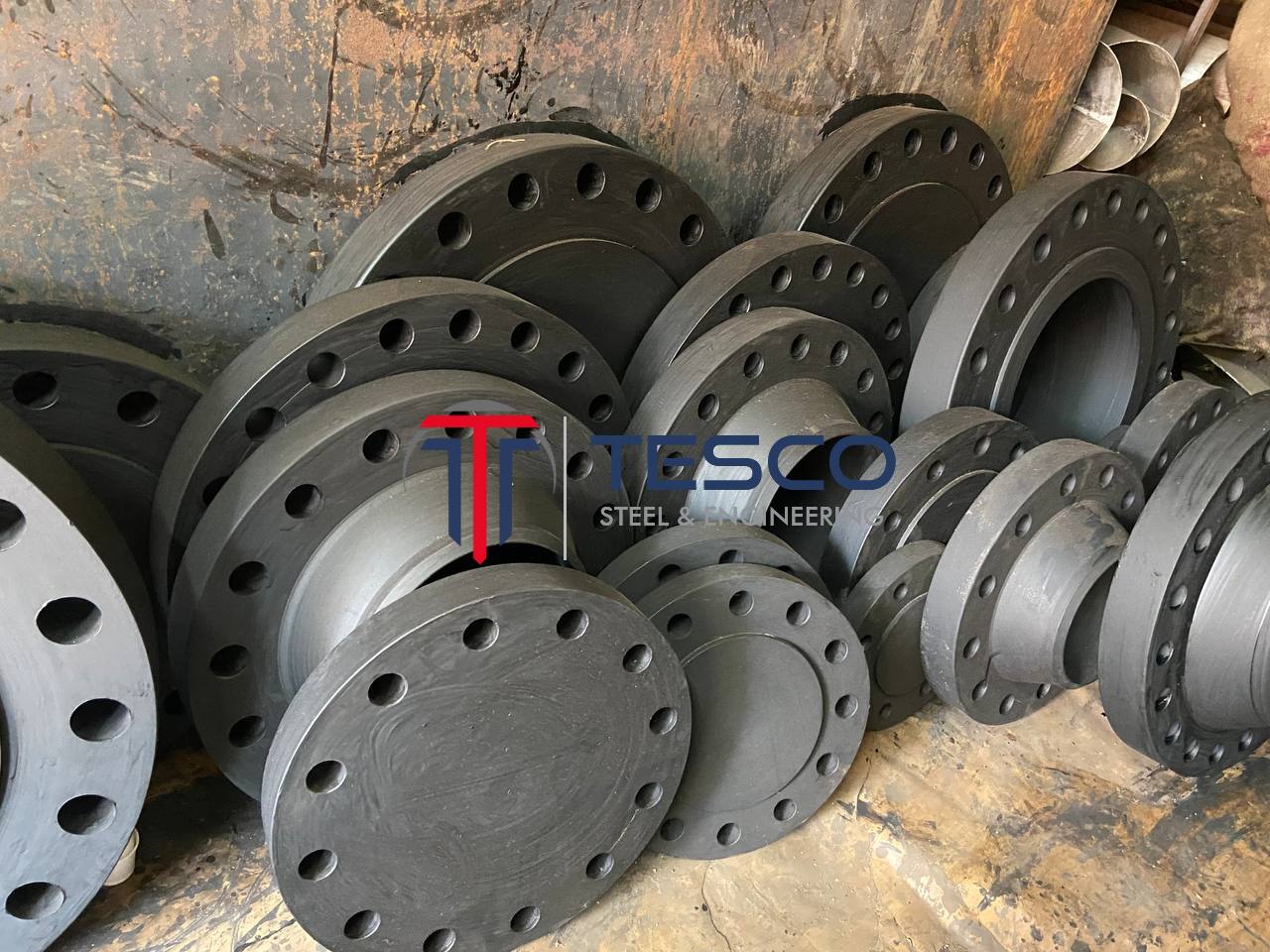
LF3 Cl 2 Blind Flange
| Flange Type | Description & LF3 Class 2-Specific Use |
|---|---|
| Weld Neck (WNRF) | Tapered hub butt-welded to pipe for high-integrity deep-cold piping; weld with impact-rated nickel-bearing low-hydrogen consumables. |
| Slip-On (SORF) | Fillet-welded over the pipe; used in low-temperature piping at moderate pressure. |
| Blind | Seals pipe ends and vessel nozzles in deep low-temperature systems. |
| Socket Weld (SWRF) | Small-bore (1/2″–2″) instrument and branch connections in cold service. |
| Lap Joint (LJRF) | Used with an LF3 stub end where frequent dismantling is required. |
| Threaded (TRFF) | Internal NPT/BSP threads for non-welded low-pressure connections. |
| Spectacle Blind / Long Weld Neck / Orifice | Isolation spades, nozzle/long-neck and flow-metering flanges in A350 LF3 Class 2 for deep-cold duty. |
| Property | LF3 Cl 2 | LF3 Cl 1 | LF2 | LF1 |
|---|---|---|---|---|
| Type | 3.5% Nickel steel | 3.5% Nickel steel | C-Mn steel | C-Mn steel |
| Impact-test temp | -101°C (-150°F) | -101°C (-150°F) | -46°C (-50°F) | -29°C (-20°F) |
| Nickel | ~3.5% | ~3.5% | None (residual) | None (residual) |
| Yield (min) | 37.5 ksi | 37.5 ksi | 36 ksi | 30 ksi |
| Condition / class | Class 2 heat-treatment | Class 1 (standard) | C-Mn default | C-Mn entry |
| Typical role | Deep-cold, where Cl 2 specified | Deep-cold default | Default LTCS grade | Mild low-temperature |
3.5% nickel gives verified Charpy toughness to -150°F (-101°C) — the coldest of the common A350 grades.
Supplied to A350's Class 2 heat-treatment condition and supplementary requirements where the spec demands it.
Welded with impact-rated nickel-bearing low-hydrogen consumables and qualified low-temperature procedures.
Meets ASME B31.3 / B16.5 low-temperature requirements with full impact and heat-treatment documentation.
| Industry | Typical Application |
|---|---|
| Petrochemical (Ethylene) | Cold-train and low-temperature process flanged connections |
| Gas Liquefaction & Refrigeration | Deep low-temperature gas and refrigerant piping flanges |
| LNG-Adjacent Piping | Low-temperature carbon-steel-family flanges within the design range |
| Air Separation / Cold Boxes | Cold-box and cryogenic-adjacent flanged connections |
| Low-Temperature Storage | Cold storage and loading flanged systems |
| Oil & Gas Cold Service | Deep-cold processing and depressurisation flanges |
Made from certified 3.5% nickel A350 LF3 with chemistry, Charpy impact results and the Class 2 heat-treatment condition on the MTC.
Supplied in the Class 2 condition with verified impact toughness at -150°F.
WNRF, SORF, blind, socket-weld, threaded, lap-joint, spectacle, LWN, orifice and plate — in RF, FF, RTJ and T&G.
EN 10204 3.1 / 3.2 MTC with impact results, heat/lot traceability, hydrostatic and third-party inspection on request.
A350 LF3 Class 2 flange prices reflect the 3.5% nickel content plus forging, the Class 2 heat treatment and low-temperature impact testing — it is a premium A350 grade for deep-cold service. Tesco Steel & Engineering offers competitive ex-works pricing from Mumbai with full export documentation and material traceability. Click Ask for Quote or message us on WhatsApp at +91 92233 66922 with flange type, size (NB), pressure class, quantity and documentation requirements.
Q1. What is an ASTM A350 LF3 Class 2 flange?
An ASTM A350 LF3 Class 2 flange is a forged low-temperature carbon steel (LTCS) flange in the 3.5% nickel grade of the A350 specification, supplied in the Class 2 heat-treatment condition. It shares LF3's 3.5% nickel chemistry and mandatory Charpy V-notch impact test at -150 degrees F (-101 degrees C), but is furnished to the heat-treatment and supplementary requirements specified for Class 2 rather than Class 1. It is used for deep low-temperature piping where the project specifies Class 2. Flanges are made to ASTM A350 and machined to ASME B16.5 / B16.47 dimensions.
Q2. What is the difference between A350 LF3 Class 1 and Class 2?
A350 LF3 Class 1 and Class 2 share the same 3.5% nickel chemistry, the same mandatory -150 degrees F (-101 degrees C) Charpy impact requirement and the same tensile/yield range. The difference is the class designation in A350, which reflects the specified heat-treatment condition and supplementary requirements: Class 1 is the standard condition, while Class 2 is furnished to the Class 2 requirements certain project specifications call out. The purchase order or piping class states which is required.
Q3. Why does A350 LF3 contain 3.5% nickel?
The ~3.5% nickel in A350 LF3 lowers the steel's ductile-to-brittle transition temperature, giving good notch toughness down to -150 degrees F (-101 degrees C). Plain carbon-manganese grades like LF1 and LF2 cannot reach that low without becoming brittle, so nickel is added specifically to extend the safe low-temperature range for deep-cold service. Both Class 1 and Class 2 of LF3 share this nickel content.
Q4. What is the impact test temperature for A350 LF3 Class 2?
ASTM A350 LF3 (Class 1 and Class 2) requires a Charpy V-notch impact test at -150 degrees F (-101 degrees C), with minimum average absorbed energy per the specification. This is the lowest standard impact-test temperature of the common A350 grades and qualifies LF3 for deep low-temperature service.
Q5. What is the chemical composition of A350 LF3?
ASTM A350 LF3 nominal composition (both classes): carbon 0.20% max, manganese 0.90% max, silicon 0.20–0.35%, nickel 3.3–3.7%, phosphorus 0.035% max, sulphur 0.040% max, with limits on residual chromium, molybdenum, copper and vanadium. The 3.5% nickel is the defining element for its deep low-temperature toughness.
Q6. What is the difference between A350 LF1, LF2 and LF3?
All are forged LTCS grades of ASTM A350, differing in chemistry and minimum impact-test temperature. LF1 is a carbon-manganese steel impact tested at -20 degrees F (-29 degrees C); LF2 is the common C-Mn grade tested at -50 degrees F (-46 degrees C); LF3 contains about 3.5% nickel for service to -150 degrees F (-101 degrees C). LF3 (Class 1 or 2) is for the coldest carbon-steel-family service.
Q7. What standards apply to A350 LF3 Class 2 flanges?
A350 LF3 Class 2 flanges are forged to ASTM A350/A350M (Grade LF3, Class 2) and machined to ASME B16.5 (1/2 inch to 24 inch) or ASME B16.47 / MSS SP-44 for larger sizes, with EN 1092-1 for PN-rated flanges. Material is supplied in the Class 2 heat-treatment condition with EN 10204 3.1 / 3.2 certification including the impact-test record. It is broadly comparable to EN 1.5662 (12Ni14) for low-temperature service.
Q8. Can A350 LF3 Class 2 flanges be welded?
Yes. A350 LF3 is welded with low-hydrogen processes and matching nickel-bearing low-temperature consumables that are themselves impact-tested at the design temperature. Preheat, controlled interpass temperature and, for thicker sections, post-weld heat treatment may be specified; the welding procedure must be impact-tested to confirm the joint's low-temperature toughness.
Q9. What are the mechanical properties of A350 LF3 Class 2?
Typical ASTM A350 LF3 properties: tensile strength 70–95 ksi (485–655 MPa), yield strength 37.5 ksi (260 MPa) minimum, elongation about 22–24%, with Charpy V-notch impact toughness verified at -150 degrees F (-101 degrees C). Class 2 is supplied in the heat-treatment condition specified for Class 2 in A350.
Q10. Are A350 LF3 Class 2 flanges supplied with material test certificates?
Yes. Every A350 LF3 Class 2 flange is supplied with EN 10204 3.1 (or 3.2) mill test certificates confirming chemistry, mechanical properties, the Charpy impact-test result, heat-treatment condition and heat/lot traceability, with hydrostatic testing and third-party inspection on request. Tesco Steel & Engineering is an ISO 9001:2015 certified manufacturer and exporter from Mumbai, India.