
Tesco Steel & Engineering manufactures syphon tubes — the coiled or U-shaped pressure-gauge siphons (pigtails) that trap a column of condensate to keep steam heat and pressure pulsation away from a gauge, transmitter or switch, so the instrument reads true and lasts. Available as pigtail, coil, U-type and Q-type in SS 304/316/321, 904L, 254 SMO, Inconel 600/601, Incoloy 800, Monel 400/K500 and carbon steel. Sizes ⅛″–¾″, MxM / MxF / FxF, Sch 40/80/120, BSP or NPT — and fully customized to your drawing. ISO 9001:2015 certified. Made in India.
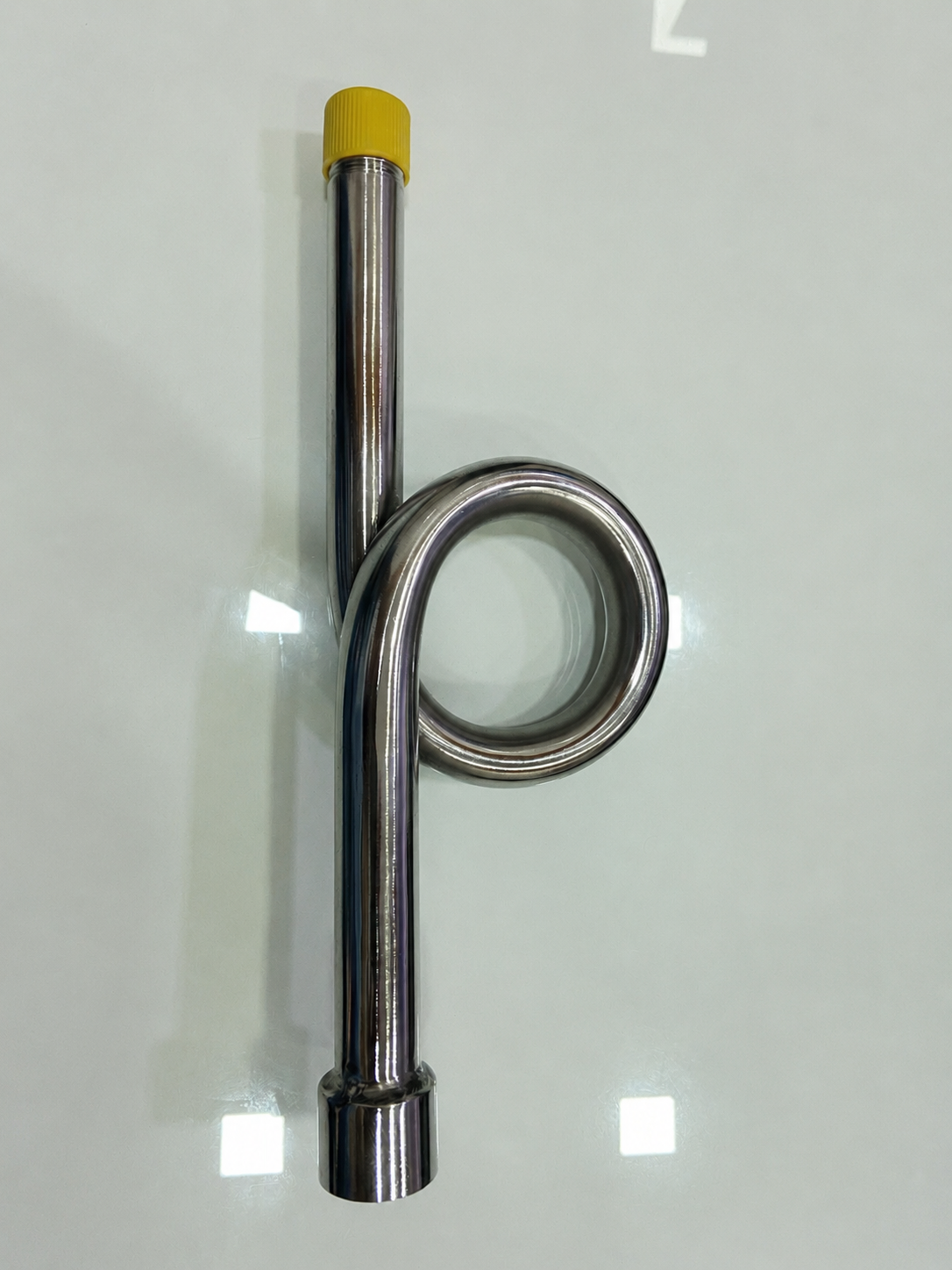
Pigtail / Coil Syphon Tube (SS 316)
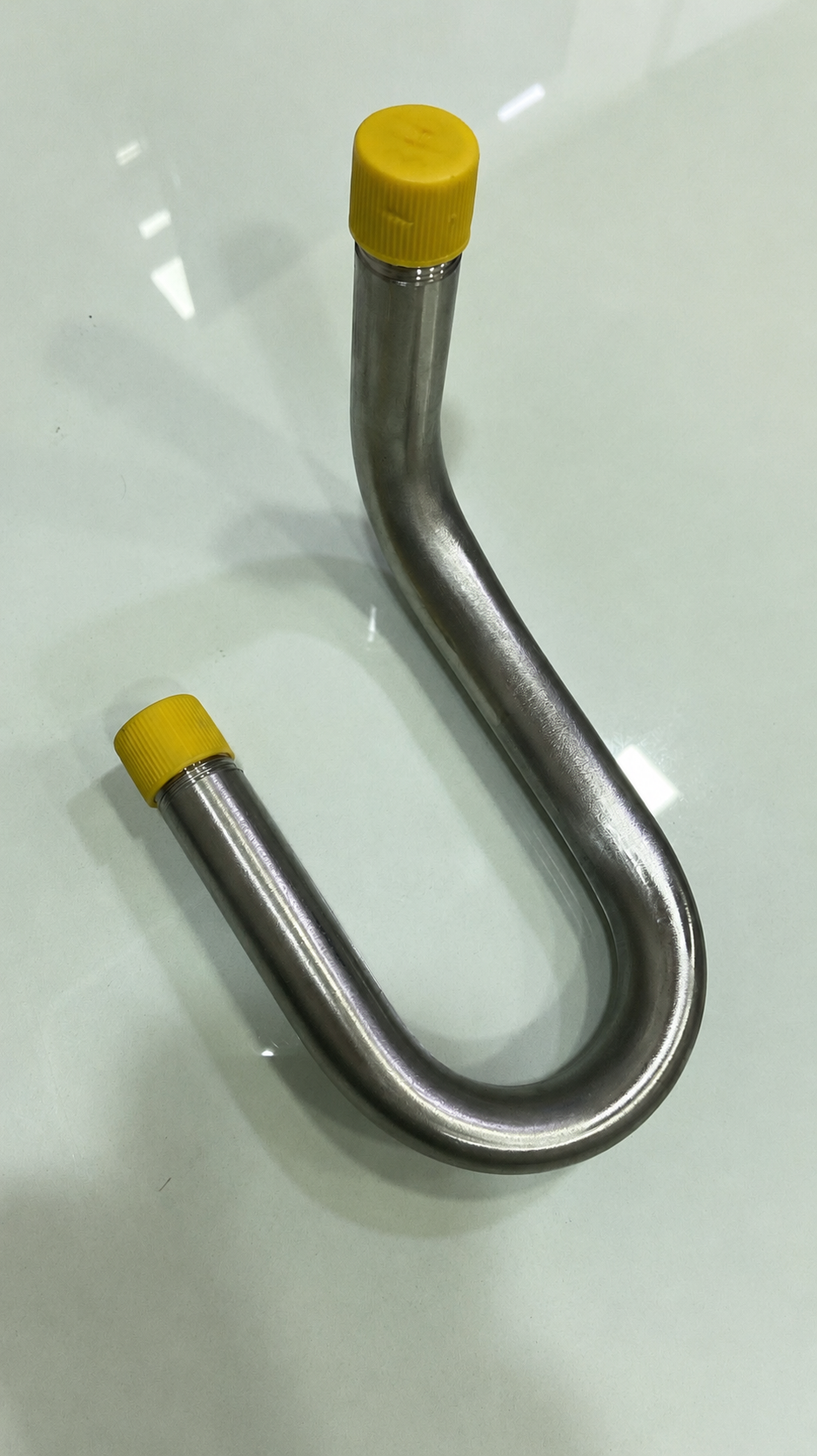
U-Type Syphon Tube (SS 304 / 316 / CS)
A syphon tube — also written siphon tube, and known as a pressure-gauge siphon, gauge syphon or pigtail — is a small coiled or U-shaped tube that screws in between a process line and a pressure instrument. Its job is simple but important: the loop traps a column of liquid that shields the gauge from heat and pressure shock. On a steam line that trapped condensate keeps scalding vapour off the gauge’s measuring element; on a pump or compressor line it cushions the instrument from the rapid pressure pulses that would otherwise fatigue and destroy it. The result is an instrument that reads accurately and lasts many times longer.
When steam reaches the syphon it cools and condenses inside the loop, filling it with water. That water forms a permanent barrier between the live steam and the gauge, so the instrument sees the pressure but not the heat — it sits close to ambient temperature instead of 150–250 °C. Because liquids transmit pressure undiminished, the gauge still reads true line pressure. The same liquid column damps pulsation from reciprocating pumps and compressors, smoothing the needle and protecting the movement. On non-condensing hot media the syphon is simply pre-filled with water or a compatible liquid before start-up.
A single 360° loop — the most common form. Compact, gives a reliable condensate seal in a small space, ideal where the gauge mounts close to the line.
A multi-turn coil for extra cooling length and a larger condensate reservoir — useful on hotter steam service.
A U / gooseneck bend — simple, easy to fill and drain, often used on steam headers and where the connection orientation suits a U.
A loop with a straight tail that gives the part its “Q” shape — combines a compact loop with a straight run to the instrument.
| Parameter | Options |
|---|---|
| Types | Pigtail, Coil, U-type, Q-type |
| Material grades | SS 304, SS 316, SS 321, 904L, 254 SMO, Inconel 600, Inconel 601, Incoloy 800, Monel 400, Monel K500, Carbon Steel |
| Sizes | ⅛″, ¼″, ⅜″, ½″, ¾″ |
| Connection type | Male × Male (MxM), Male × Female (MxF), Female × Female (FxF) |
| Schedule | 40, 80, 120 |
| Thread type | BSP (BS / ISO 228 / ISO 7), NPT (ASME B1.20.1) |
| Customization | Special loop diameters, tail lengths, orientations, connections & grades — made to customer drawing/spec |
| Certification | EN 10204 3.1 mill test certificate & PMI on request |
| Family | Grades | Typical use |
|---|---|---|
| Stainless steel | SS 304, SS 316, SS 321 | General steam, water and process service; SS 316 for better corrosion resistance, SS 321 for higher temperature |
| High-alloy stainless | 904L, 254 SMO | Aggressive acids and chloride-bearing or seawater service |
| Nickel alloys | Inconel 600, Inconel 601, Incoloy 800, Monel 400, Monel K500 | High temperature, reducing atmospheres, seawater and brine, and corrosive chemical media |
| Carbon steel | Carbon Steel | Economical general steam and utility service |
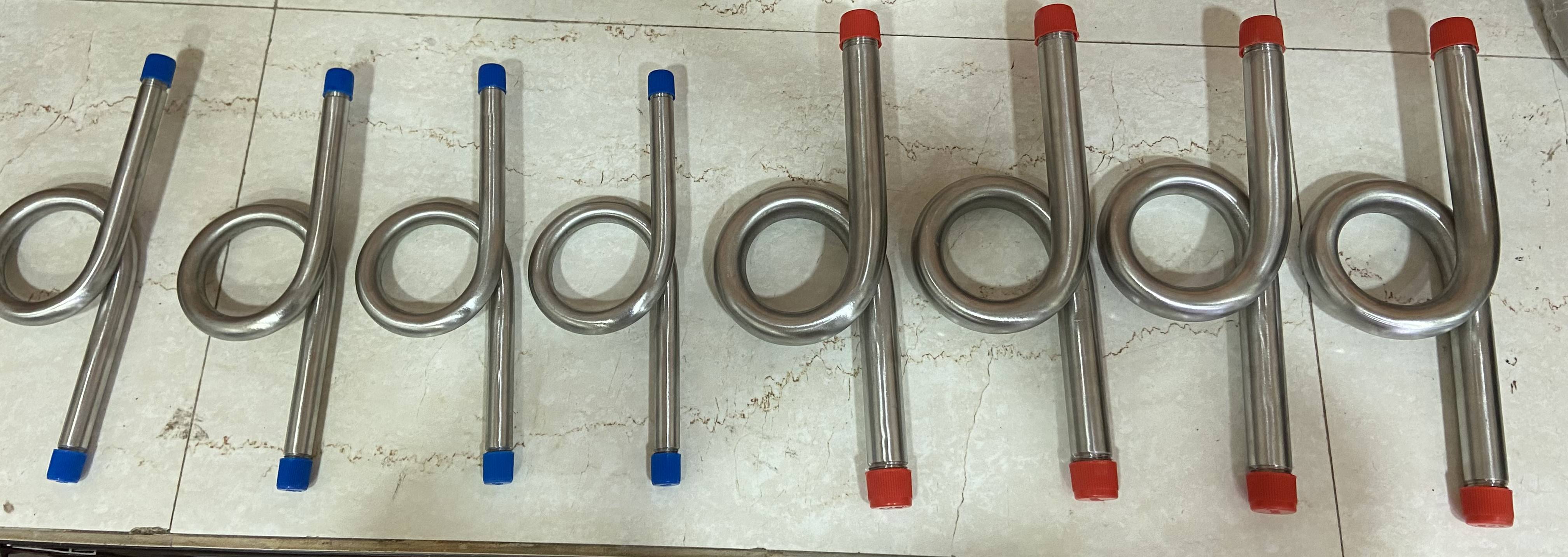
Stainless Steel Pigtail Syphon Tubes — Manufactured in Bulk
| Where | Use |
|---|---|
| Steam systems | Boilers, steam headers and distribution lines — protecting gauges from steam heat |
| Instrumentation | Pressure gauges, transmitters, switches and recorders on hot or pulsating lines |
| Pumps & compressors | Discharge lines where pressure pulsation would damage the instrument |
| Process industries | Refineries, petrochemical, chemical, power, fertilizer and process plants |
The full syphon tube datasheet — types, materials, sizes, connection types, schedules and thread types — is below. View it inline or download the PDF, then send it back with your selection (or your own drawing) for a quote.
Standard types, material grades, sizes (⅛″–¾″), connection arrangements (MxM / MxF / FxF), schedules (40 / 80 / 120) and thread types (BSP / NPT). Customized syphons made to drawing.
⬇ Download Syphon Tube Datasheet (PDF)Pigtail, coil, U and Q syphons in SS, high-alloy, nickel and carbon steel — matched to your medium and temperature.
Hold-stock standard sizes plus fully bespoke syphons made to your drawing or sample.
EN 10204 3.1 certificates and PMI on request, from an ISO 9001:2015 manufacturer, stockist and exporter.
What is a syphon tube?
A syphon tube — also called a pressure-gauge siphon, gauge syphon or pigtail — is a coiled or U-shaped tube fitted between a process line and a pressure gauge, transmitter or switch. It holds a trapped column of condensate or liquid that keeps hot steam away from the instrument and cushions it from sudden pressure spikes, so the gauge reads accurately and lasts far longer. “Syphon” and “siphon” are simply the British and American spellings of the same part.
How does a pressure gauge syphon work?
The loop or U of the syphon traps liquid. On a steam line, steam entering the syphon condenses and fills the loop with water, forming a barrier that stops live steam from reaching the gauge’s measuring element. The trapped liquid lowers the temperature at the instrument and absorbs pressure pulsation from pumps or compressors. The gauge still reads true line pressure because liquids transmit pressure undiminished.
What types of syphon tubes do you manufacture?
We make four configurations: Pigtail (a single 360° loop, the most common), Coil (a multi-turn coil for more cooling and length), U-type (a U / gooseneck bend, often used on steam where space allows), and Q-type (a loop with a straight tail that gives the part its “Q” shape). All four are available in our full range of grades, sizes and connections, and we also make custom shapes to drawing.
What is the difference between a pigtail (coil) and a U-type syphon?
A pigtail or coil syphon uses one or more circular loops, which is compact and gives a good condensate seal in a small footprint — ideal where the gauge mounts close to the line. A U-type (gooseneck) syphon uses a U-bend; it is simple, easy to drain and fill, and is often preferred on steam headers and where the connection orientation suits a U. Both protect the gauge the same way — by trapping a liquid seal.
What materials and grades are syphon tubes available in?
Stainless steel SS 304, SS 316 and SS 321; high-alloy 904L and 254 SMO for aggressive or chloride service; nickel alloys Inconel 600, Inconel 601, Incoloy 800, Monel 400 and Monel K500 for high temperature, reducing or seawater media; and carbon steel for general steam and economical duty. The grade is chosen to match the medium, temperature and corrosivity of the line.
What sizes, schedules and connections do you offer?
Standard sizes are ⅛″, ¼″, ⅜″, ½″ and ¾″, in schedule 40, 80 or 120. Connection arrangements are male-to-male (MxM), male-to-female (MxF) or female-to-female (FxF), with BSP or NPT threads. Non-standard sizes, loop diameters, tail lengths and special connections are made to your drawing.
Why should a syphon be used on a steam pressure gauge?
Live steam can exceed 150–250 °C, which damages a pressure gauge’s bourdon tube and shifts its calibration over time. A syphon traps condensate that isolates the gauge from this heat, keeping the instrument near ambient temperature, while also damping pulsation. Gauge standards such as ASME B40.100 and EN 837 recommend a siphon (pigtail) for steam and hot-media service for exactly this reason.
Does a syphon tube need to be filled with water before use?
On a steam line the syphon fills itself: steam condenses inside the loop and forms the liquid seal automatically. On hot, non-condensing media (such as hot gas or oil) the syphon should be pre-filled with water or a compatible liquid before the gauge is put into service, so the protective seal is present from the first pressurisation.
Where are syphon tubes used?
On steam boilers, steam headers and distribution lines; on pressure gauges, transmitters, switches and recorders in refineries, petrochemical and chemical plants, power stations, fertilizer and process plants; and on pump and compressor discharge lines where pressure pulsation would otherwise wreck the gauge. Anywhere an instrument must be protected from heat or pulsation, a syphon is used.
Can you make customized syphon tubes to a drawing?
Yes. While we hold the standard pigtail, coil, U and Q configurations, a large share of our work is made to customer specification — special loop diameters, tail lengths, bend orientations, connection types and exotic grades. Send your drawing or sample and we will manufacture the syphon to match exactly.
What thread standards do syphon tubes use?
We supply BSP (parallel or tapered, to BS / ISO 228 / ISO 7) and NPT (to ASME B1.20.1) threads. The two ends can be the same or mixed, in male-to-male (MxM), male-to-female (MxF) or female-to-female (FxF) arrangements, so the syphon mates directly with both your process connection and the gauge.
Are syphon tubes pressure rated?
Yes. The pressure rating depends on the tube size, schedule (40 / 80 / 120) and material grade. Heavier schedules and higher-strength alloys carry higher working pressures and temperatures. Tell us your design pressure and temperature and we will recommend the right schedule and grade, and provide a syphon rated for the service.
Do you provide material test certificates?
Yes. Syphon tubes are supplied with EN 10204 3.1 mill test certificates confirming material grade and chemistry, with positive material identification (PMI) on request. Tesco Steel & Engineering is an ISO 9001:2015 certified manufacturer, stockist and exporter based in Mumbai, India.